Maximizing Learning Potential, Effective Educational Resource Strategies
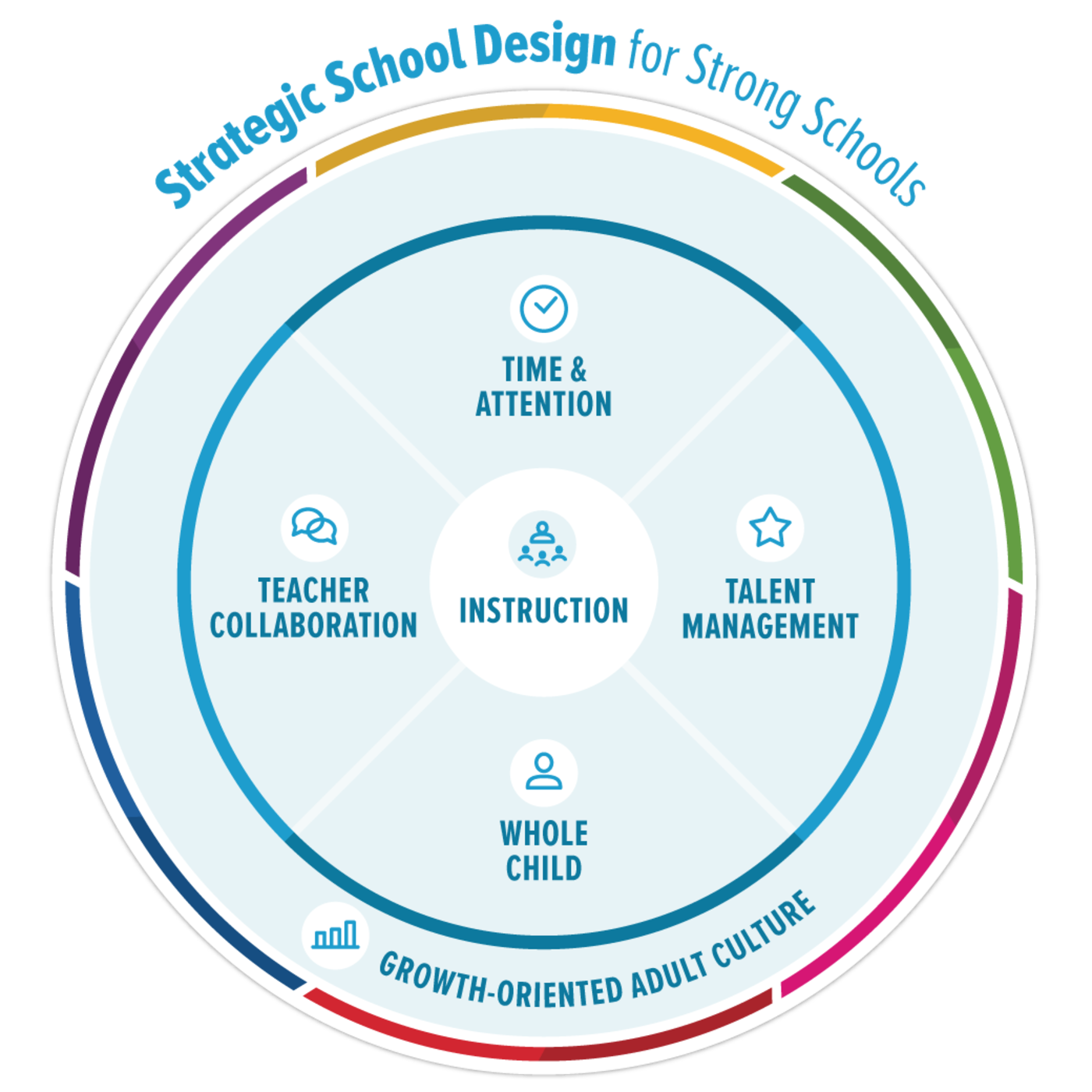
Educational Resource Strategies
In today's rapidly evolving educational landscape, maximizing learning potential is a top priority for educators, administrators, and policymakers alike. Effective educational strategies play a pivotal role in achieving this goal, providing teachers and students with the tools, materials, and support needed to succeed. In this inclusive guide, we will explore various strategies for maximizing learning potential through the effective utilization of educational resources, with a focus on practical approaches that yield tangible results.
Understanding Maximizing Learning Potential
Maximizing learning potential encompasses the idea of optimizing every opportunity for learning and growth within the educational environment. It involves creating conditions that enable students to reach their fullest academic, social, and emotional potential. By leveraging a wide range of educational resource strategies, educators can tailor instruction to meet the diverse needs of learners, foster a culture of continuous improvement, and create an environment where every student has the opportunity to thrive.
Leveraging Technology for Enhanced Learning Experiences
In today's digital age, technology plays a crucial role in maximizing learning potential. Educational technology tools such as interactive whiteboards, educational apps, and online learning platforms offer unique opportunities to engage students, personalize instruction, and provide access to diverse learning resources. By integrating technology into classroom instruction, educators can create dynamic and interactive learning experiences that cater to individual learning styles and preferences, thus maximizing learning potential for all students.
Cultivating a Culture of Collaboration and Innovation
Collaboration and innovation are essential components of maximizing learning potential within educational resource strategies. Educators, administrators, and support staff must work together to identify needs, share best practices, and develop innovative solutions to enhance student learning. By fostering a culture of collaboration, schools can leverage the collective expertise and resources of their staff to implement effective teaching strategies, provide targeted support to students, and create a positive and inclusive learning environment where all students feel valued and supported.
Empowering Educators with Professional Development Opportunities
Maximizing learning potential also involves investing in the professional growth and development of educators. By providing opportunities for ongoing training, professional development, and collaboration, schools can empower teachers to enhance their instructional practices, integrate new technologies, and implement evidence-based teaching strategies that maximize student learning outcomes. Additionally, professional development opportunities enable educators to stay abreast of the latest research and trends in education, allowing them to continually refine their skills and adapt to the evolving needs of their students.
Strategies for Equity and Inclusion in Maximizing Learning Potential
Equity and inclusion are fundamental principles in maximizing learning potential, ensuring that every student, regardless of background or ability, has equal access to high-quality educational resource strategies and opportunities. To achieve this, educators must adopt strategies that promote diversity, equity, and inclusion in all aspects of teaching and learning. This may include implementing culturally responsive teaching practices, providing differentiated instruction to meet the needs of diverse learners, and fostering a supportive and inclusive classroom environment where all students feel valued and respected. By prioritizing equity and inclusion, educators can create learning environments that empower every student to reach their full potential and contribute positively to society.
Engaging Parents and Communities in the Learning Process
Engaging parents and communities is a crucial strategy for maximizing learning potential. When parents and community members are actively involved in the educational process, students benefit from a more inclusive support system that extends beyond the classroom. Schools can foster this engagement by organizing workshops, information sessions, and volunteer opportunities that invite parents and community members to participate in school activities. Additionally, regular communication between educators and families through newsletters, parent-teacher conferences, and online platforms helps to keep everyone informed and aligned with educational goals. By building strong partnerships with parents and communities, schools can create a collaborative environment that supports student achievement and well-being, ultimately enhancing the overall learning experience.
Conclusion
In conclusion, effective educational resource strategies are essential for maximizing learning potential and ensuring that every student can succeed. By leveraging technology, fostering collaboration, empowering educators, and creating a culture of innovation, schools can create learning environments that inspire curiosity, promote critical thinking, and cultivate lifelong learners. As educators continue to explore new ways to harness educational resources to enhance teaching and learning, the potential for maximizing learning outcomes is limitless, paving the way for a brighter future for all students.